pesticide-free residue-monitored ingredients powder biopharmaceutical

Biomanufacturing relies heavily on a diverse spectrum of base components to produce innovative bio-based products.
Securing sustainably sourced materials is indispensable to sustainable success and conscientious scaling.
numerous problems stemming from established sourcing methods including biodiversity loss and excessive resource use. Hence, industry players ought to pursue innovative supply solutions to lower carbon burdens.
- Situations demonstrating ethical sourcing encompass:
- Harnessing secondary biomass from farming outputs
- Applying zero-waste frameworks to limit waste and optimize resource use
- Partnering with local suppliers committed to ethical sourcing practices
Transitioning to green supply models secures ecological benefits and economic upside.
Advancing Biomass Preparation for Elevated Biofuel Production
Improving fuel production performance hinges on the attributes of biomass inputs. Investigators regularly test new routes to upgrade biomass inputs, achieving increased output and long-term energy sustainability. Strategies feature genetic optimization to raise biomass yield plus pretreatment to depolymerize plant polymers into sugars.
- Furthermore, teams search for alternative biomass sources including algal strains, industrial wastes, and crop leftovers to broaden sustainable feedstock options for fuels.
- Through these continuous efforts, the field of biofuel production is poised to make significant progress in the coming years, paving the way for a more renewable energy landscape.
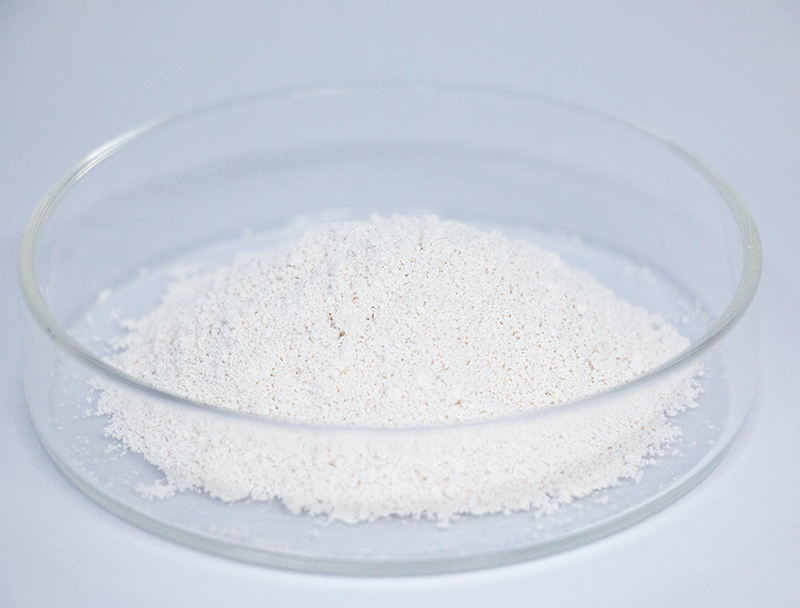
Upstream Process Improvements for Modern Biopharma Production
comprises front-end procedures like culture expansion and cell retrieval Calcium Propionate Contemporary breakthroughs have refined protocols and elevated product throughput.
Significant developments incorporate advanced biological platforms, tailored medium blends, and precision reactor engineering. These strategies improve manufacturing efficiency and lessen cost and ecological effects.
- Concurrently, continuous manufacturing approaches bring amplified flexibility and more consistent upstream outcomes.
- The adoption of higher-tech manufacturing practices will likely disrupt traditional models and speed therapeutic launches.

Molecular Editing Strategies to Increase Bioproduct Output
evolutions in genetic modification techniques have optimized therapeutic biosynthesis. Through controlled genetic modifications, practitioners increase therapeutic protein production. This approach holds immense potential for developing more efficient and affordable biopharmaceuticals to address a wide range of diseases.
Harnessing Microbial Biotechnology for Sustainable Bioremediation
progressive microbe-based cleanup tactics that mitigate industrial pollution. Specialized microbes can enzymatically degrade pollutants to reduced-toxicity products.. Harnessing microbe-based degradation fosters cleanup tactics that minimize environmental disruption and residual waste.. Study groups probe microbial metabolic diversity to tackle metals, persistent pesticides, and hydrocarbon spills.. Organisms may be utilized in controlled reactors or in place to accelerate contaminant decomposition through biodegradation..
Microbial remediation approaches present key benefits relative to classic remediation methods. Microbial remediation can cut expenses and limit harmful secondary emissions. Likewise, microbial systems can selectively degrade contaminants while sparing the wider environment. Advancements continue apace to increase the speed, efficiency, and applicability of microbial remediation techniques.
The Role of Bioinformatics in Drug Discovery and Development
Bioinformatics techniques are integral to present-day therapeutic development workflows. By integrating diverse datasets, bioinformatics enhances candidate identification and therapeutic optimization.
- Through evaluating comprehensive genomic, proteomic, and clinical data, teams detect novel targets and predict drug action.
- Concurrently, virtual screening and simulation shape the development of more effective therapeutics.
- In summary, bioinformatics overhauls pharmaceutical R&D and quickens the path to safe therapeutics for patients.
Cell Factory Optimization for Higher Bioproduct Output
adopts varied approaches to raise biosynthetic yields of beneficial compounds. Techniques span CRISPR-mediated edits to reshape pathways, synthetic control elements to fine-tune expression, and gene imports to grant new biosynthetic abilities.. By refining pathway flux and regulation engineers can significantly raise bioproduct production.
This comprehensive strategy could transform numerous sectors such as pharmaceuticals, farming, and renewable energy.
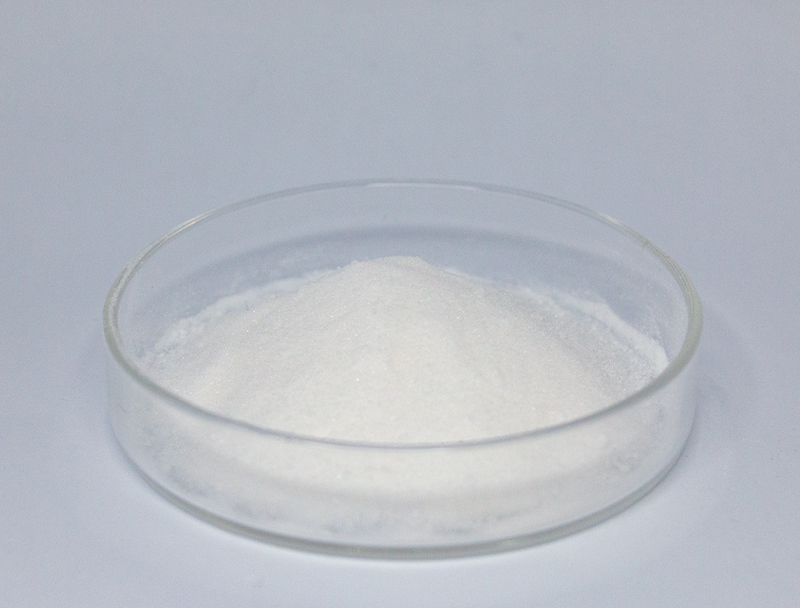
From Lab to Plant: Challenges and Opportunities in Biomanufacturing Scale-Up
Industrial-scale production introduces demanding hurdles as well as strategic advantages. Ensuring product consistency at larger manufacturing scales represents a major hurdle. Meeting the need calls for dependable control systems, granular monitoring, and cutting-edge analytical methods.
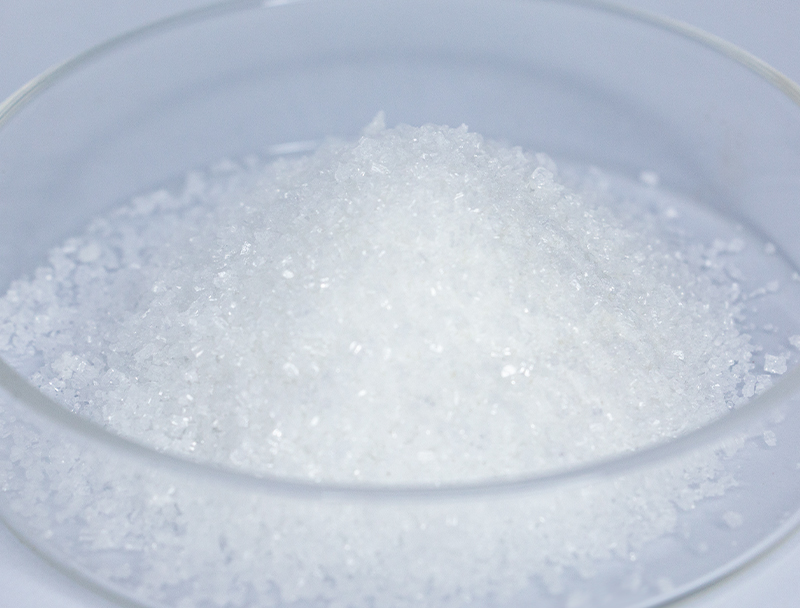
One issue is the complexity of biopharmaceutical manufacturing processes, which often involve multiple steps.. Translating lab methods into scalable operations needs heavy research and technology breakthroughs.. Yet, the returns can be substantial. Achieved scale can widen availability of treatments, lower manufacturing costs, and boost financial returns.
A range of strategies is being implemented to address scaling problems. Programs comprise advanced optimization systems, real-time process monitoring tools, and innovative production strategies.
- R&D initiatives significantly drive enhancements in manufacturing capacity.
- Regulators are adapting frameworks to speed authorization of novel manufacturing approaches and spur innovation.
Charting Regulatory Pathways for Biologics to Safeguard Patients
The development of biopharmaceuticals is a complex process that requires stringent regulatory oversight to ensure both patient safety and product efficacy. Biologically derived medicines entail particular manufacturing and regulatory complexities compared with chemical drugs.
Institutions such as the U.S. FDA and European EMA lead in formulating regulations and benchmarks for biologic approvals..
Stringent experimental and surveillance testing occurs across the entire development-to-market continuum. Those requirements help reveal risks and confirm that biologics satisfy stringent safety criteria..
Also, governing institutions evolve their strategies to respond to swift advances in biopharmaceutical science.. Efforts comprise integrating cutting-edge tools and easing development pathways while upholding patient safety.
Harnessing Plant Feedstocks to Create Biodegradable Plastics
The expanding market for green materials prompts increased R&D into bio-based solutions. Among these, bioplastics, produced from plant-derived biomass feedstocks, offer a promising avenue towards a greener future. Plant-based biomass resources such as cornstarch, cellulose, sugarcane can be processed into biodegradable plastics that degrade naturally, minimizing the environmental impact of conventional plastics.
Likewise, some plant-derived plastics perform similarly to petroleum-based materials for a variety of uses.. Sustained research efforts are necessary to optimize plant feedstocks for mass bioplastic production and enable circularity.
Biotechnology Driving Advances in Health and Agricultural Stability
Modern biotech tools present opportunities to improve global health and stabilize food production. By harnessing genetic engineering, synthetic biology constructs, and advanced cell therapies, technologists deliver capabilities to reduce disease burden, raise crop outputs, and increase food value. For example, engineered crops with pest resistance and stress tolerance can increase yields while lowering pesticide use.. Likewise, biotechnology enables new vaccines, novel therapeutics, and improved diagnostics essential to global disease mitigation and better health.. As the field evolves, biotechnology is expected to play a pivotal role in shaping a healthier and environmentally sustainable future for all.
 Sialic Acid